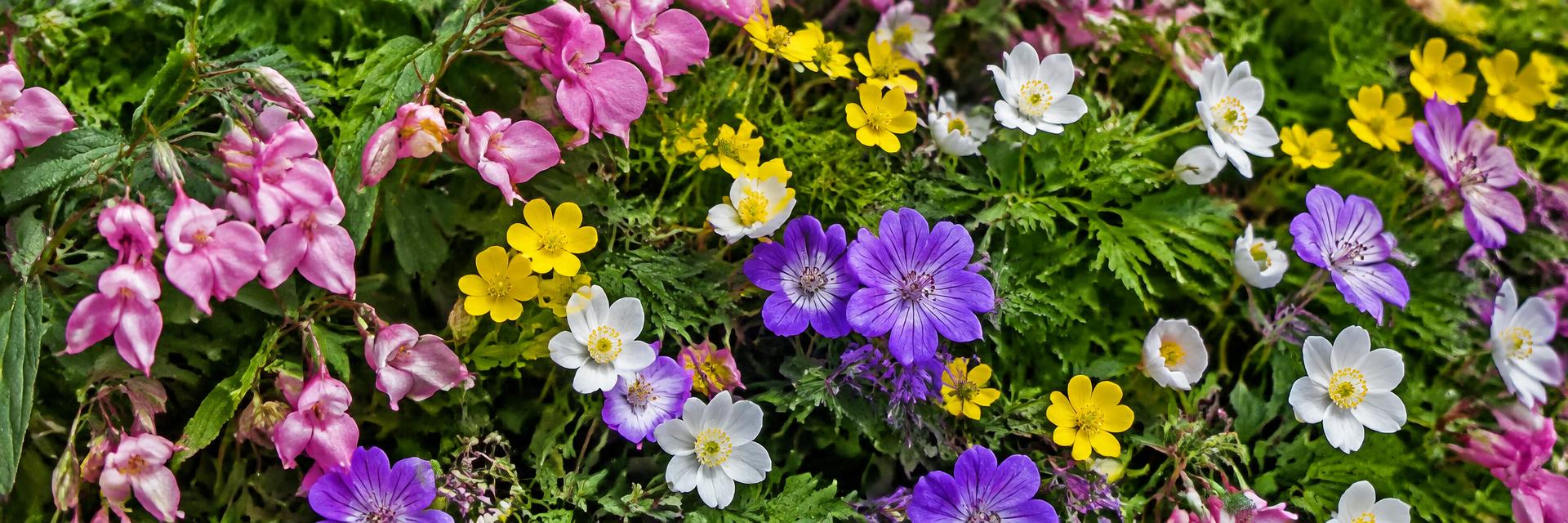
The Valley of Flowers National Park is open to visitors from 1 June to 31 October (in 2026 it opened on 1 June). Those five months are not equal. The valley is green from June, the flowers build through July, and by September most of the colour has gone. If you want to see it in bloom, the real window is much shorter than the opening dates suggest: the last week of July to about 15 August. This guide explains why, what each month is like on the trail, and how to plan around the monsoon, which is the biggest risk on this trip.
Last checked 13 October 2026
The short answer
Go between the last week of July and mid-August if flowers are the point of your trip. Bloom starts to build from mid-July, peaks in roughly the first fortnight of August, and begins to fade by the last week of that month. Early August has been the most dependable stretch in the reports we found, even allowing for a changing climate.
What you want from the trip decides the date. Use this table to pick.
| If you want | Go in | Trade-off |
|---|---|---|
| The most flowers | Last week of July to 15 August | Heavy rain, crowds, tight rooms at Ghangaria |
| Flowers with fewer people | 15 to 31 July, on weekdays | Bloom is still building early in the window |
| The quietest trail | June or early July | Few flowers; snow patches and snow bridges |
| Less rain and clear views | September | Far fewer flowers, busier on weekends |
| A first trip with fixed dates | Early August, midweek | Book Ghangaria rooms early |
Dates move a little with each year's monsoon. Treat these as a window, not a promise.
Month by month on the trail
June: snow, green slopes and early flowers
The park opens on 1 June. Snow has only just receded from parts of the valley, and snow bridges and patches remain along the stream. The main display is still weeks away, but the valley is fresh and green.
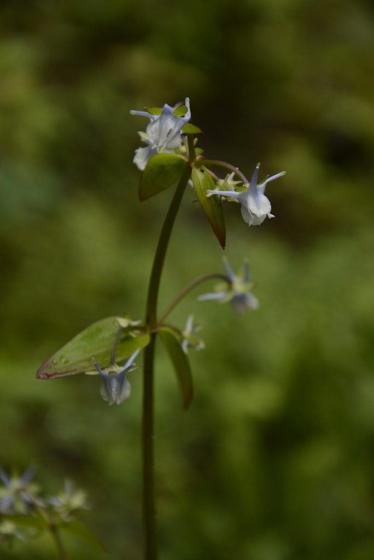
- Flowers: early bloomers such as marsh marigold, cobra lilies and blue corydalis.
- Rain: usually lighter than July and August, though the monsoon can arrive early.
- Crowds: low.
- Best for: quiet trails and snow, or if you cannot travel in the monsoon.
July: green first, colourful from mid-month
In early July the valley is lush and the buds are forming. From mid-July the flowers start to bloom in abundance and the valley turns extremely colourful. Because the trek climbs to around 4,300 m, some snow lingers until the end of July.
- Flowers: sparse until mid-July, then abundant.
- Rain: little in the first half of the month, then regular rain much like August.
- Crowds: the lowest of the three main months. Tourists and trekkers mostly arrive from August.
- Best for: bloom with fewer people. The last week of July is a sweet spot.
August: peak bloom, peak crowds
The first 15 days of August showed the most flowers of the whole season in the trek leaders' counts. By the last week of August petals have started to wilt, though there is still plenty to see.
- Flowers: the densest of the season until about 15 August, then fading.
- Rain: heavy at Govindghat, but higher up it is often a drizzle that rain gear handles.
- Crowds: the highest. Midweek is noticeably quieter than weekends.
- Roads: the highest landslide risk of the year.
September: clearer skies, fewer flowers
The monsoon retreats and is nearly gone by mid-September, so the valley is drier and the mountains show clearly. Most flowers have gone by then, and Hemkund Sahib pilgrims fill Ghangaria, especially on weekends.
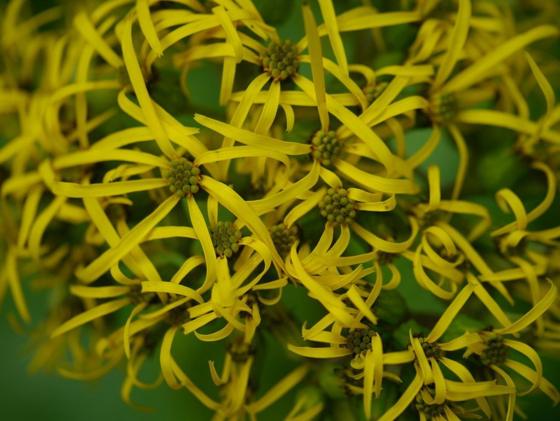
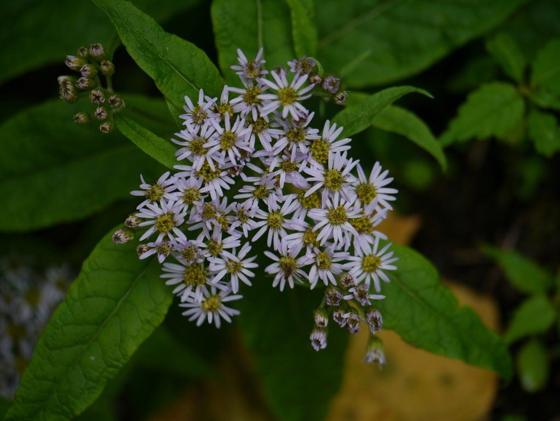
- Flowers: few, mostly late species such as gentians and ligularia.
- Rain: much lighter.
- Crowds: busy on weekends because of Hemkund Sahib.
- Best for: views and a drier walk, if you accept a thin bloom. Indiahikes does not run the trek after the second week of September.
October: the season closes
The park closes to visitors on 31 October. We found very little first-hand reporting from October, so ask a recent visitor or a local operator before you plan around it. Expect cold mornings and very few flowers.
What you will actually see: flowers by month
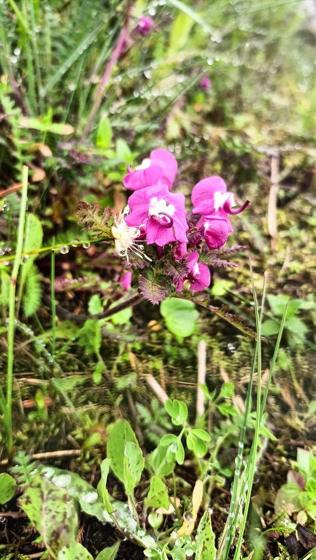
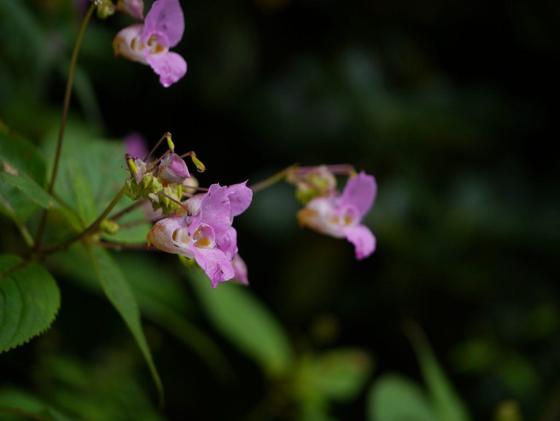
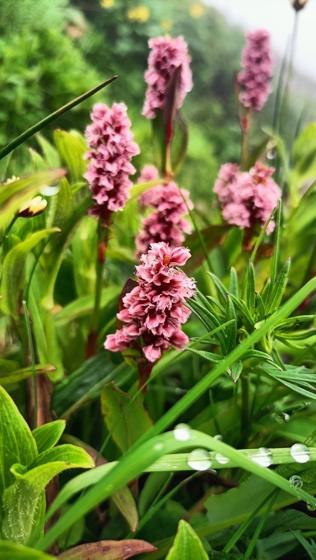
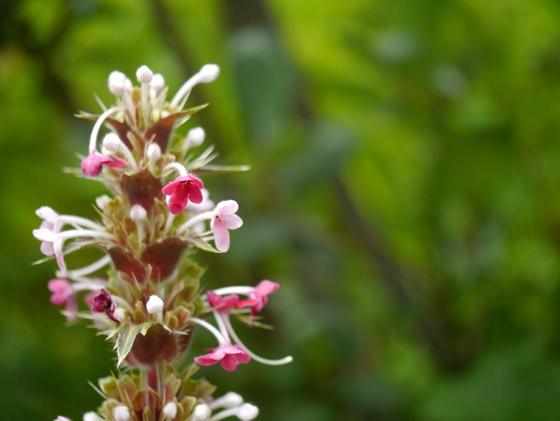
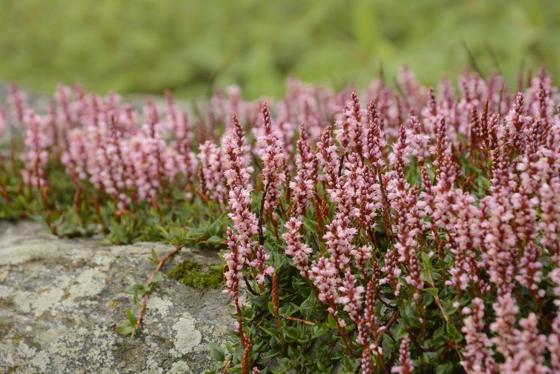
More than 500 species have been recorded in the valley, but they flower in phases through the year. Every visit shows many of them, never all of them. Trek leaders say this is a common letdown: people arrive expecting 500 varieties at once. Here are a few species from each part of the season, with the bloom months from our flower guide.
Do not plan your trip around one flower. The blue poppy, for example, is listed among the valley's rare plants, and a study of the valley's changing vegetation noted it can hardly be seen now.
June
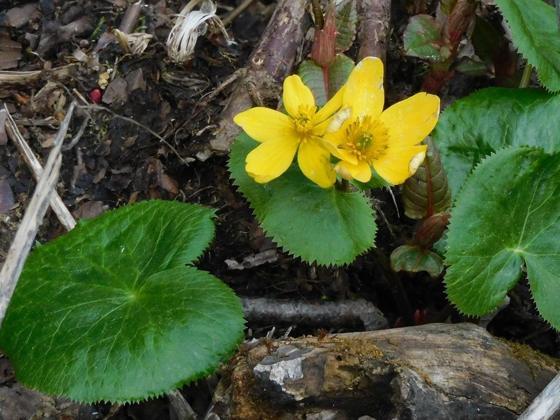
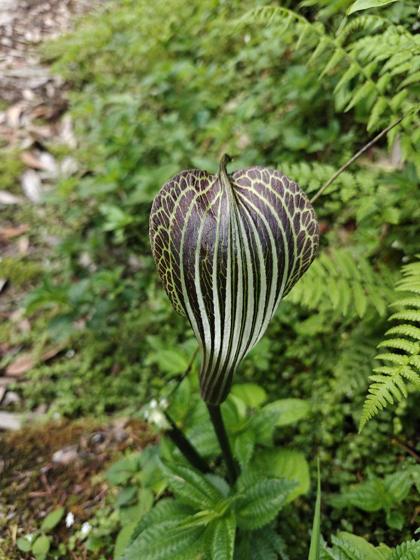
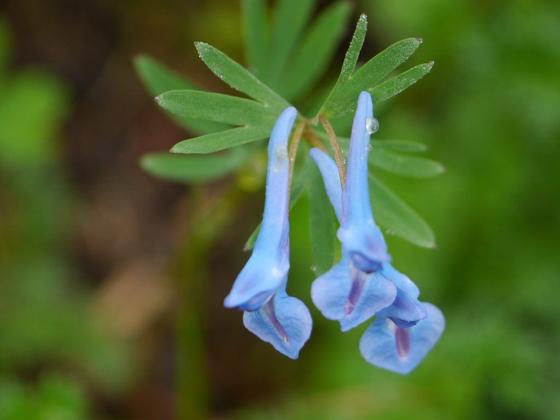
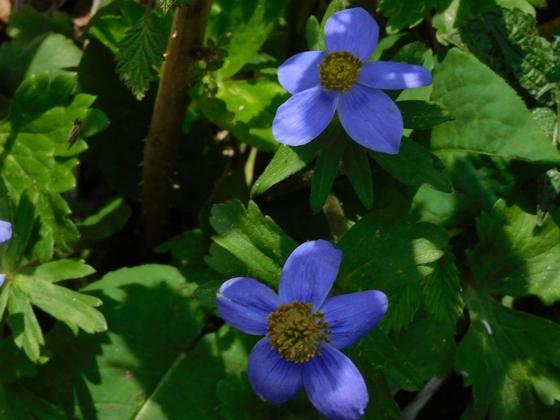
July
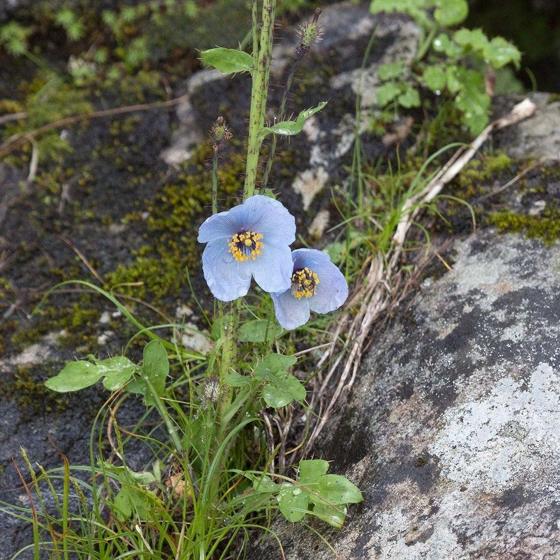
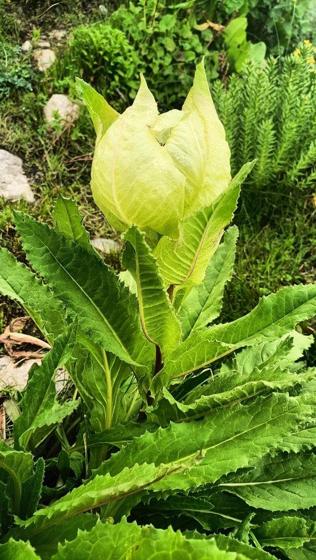
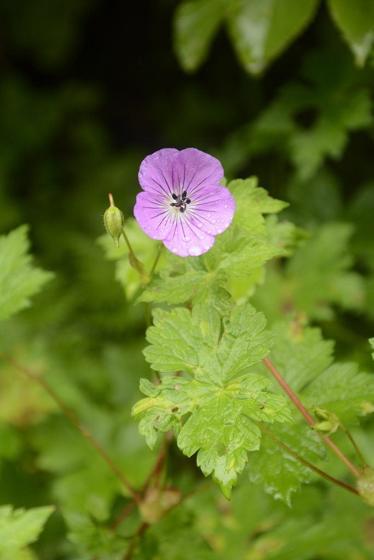
August
September
The season at a glance
| Period | Flowers | Rain | Crowds |
|---|---|---|---|
| June | Few, early species | Lighter, varies with monsoon arrival | Low |
| 1 to 15 July | Green, buds forming | Light | Lowest |
| 16 to 31 July | Bloom turns abundant | Regular | Moderate, rising |
| 1 to 15 August | Peak of the season | Heavy, often drizzle higher up | Highest |
| 16 to 31 August | Still many, wilting by the last week | Heavy | High |
| September | Few, late species | Easing, nearly gone by mid-month | High on weekends |
| October | Very few | Little reporting | Low |
Weather and what to wear
Indiahikes reports day temperatures of about 10 to 18 degrees Celsius on the trail in July, August and September, with nights falling to roughly 3 to 5 degrees. Other guides put Ghangaria nights at 5 to 10 degrees. The numbers barely change across those months. Rain and cloud matter far more than the date.
Trekkers who have just done it keep repeating one tip about rain gear.
What trekkers say
“You should anticipate rain and be prepared for it. And you should prefer to buy Rain poncho for it, not rain jacket, never umbrellas etc.”
“You just need a rucksack, shoes with high ankle support(good to have) and a full body raincoat or poncho.”
The monsoon risk is the road, not the trail
Operators, official-looking guides and people posting their own trips agree on this. The stone trail from Pulna to Ghangaria and on into the valley is fine in the rain. The highway from Rishikesh to Govindghat is where plans fall apart. Landslides can close it for hours or days, and trek leaders describe the Lambagad landslide zone beyond Govindghat as unpredictable.
What trekkers say
“Due to rainy season, you need extra days on hand because there can be landslides anywhere in the road till Govind ghat.”
“Just keep buffer days for monsoon delays and carry good rain protection.”
- Keep at least one spare day after the trek before any onward train or flight. Keep two if you travel in July or August.
- Leave Rishikesh early. Buses go around 4 to 6 am so that you reach Joshimath or Govindghat in daylight.
- Avoid non-refundable tickets for the day after you come down.
- Ask your hotel in Joshimath or Govindghat about the road each morning before you move on.
How to avoid the crowds
- Choose weekdays. Indiahikes notes the trail is much quieter midweek in August.
- Choose late June to mid-July if you can live with fewer flowers.
- In July and August, reach Ghangaria by early afternoon. Rooms fill fast.
- Be at the forest check-post when the gate opens at 7 am. Entry is allowed from 7 am to 2 pm, and visitors must leave by 5 pm.
- Avoid September weekends, when pilgrims heading to Hemkund Sahib crowd Ghangaria.
Mistakes that cost people the bloom
What trekkers say
“Valley of Flowers is pretty beginner friendly, just pace yourself and don't rush Hemkund Sahib, that climb can feel tough.”
“My friend went to VOF after seeing such misleading pictures and was hugely disappointed even in August end.”
- Expecting every one of the 500 species. They flower in phases.
- Booking the last week of August or September for a carpet of flowers. Bloom is usually past its best by then.
- Planning a same-day connection after the trek. A closed road ends that plan.
- Carrying an umbrella instead of a poncho or full rain jacket.
- Treating Hemkund Sahib as a casual add-on.
The second comment is one person's report about one year. Timing shifts with the monsoon, which is why the last week of July to mid-August is safer than the end of August.
Where the sources disagree
September
Indiahikes trek leaders say there is little worth seeing in the flowers by September and rate it their last choice. Other guides describe it as clearer and quieter with a thinner bloom. Both can be true. If you come for flowers, September disappoints. If you come for views and a drier walk, it is a fair choice. One state tourism listing we came across gives March to May and mid-September to December as the best time. The park itself is only open to visitors from 1 June to 31 October, so plan inside that window.
Frequently asked questions
Which month is best for Valley of Flowers?
The last week of July to about 15 August gives the most flowers. July and August are the main bloom months. June is quieter with few flowers, and September is clearer with a much thinner bloom.
Is July or August better?
Early August has the densest bloom. Late July has almost as much colour with fewer people. Both have rain, and after mid-July the weather is similar.
Is September worth it?
Only if you value clear skies and a drier trail over flowers. Most blooms are over by then, and Hemkund Sahib pilgrims make weekends busy.
Is June a good time to visit?
June suits you if you prefer snow bridges, cooler days and few people. Expect only early flowers.
Will I see the blue poppy and Brahma Kamal?
Both are listed with July to September bloom months, but the blue poppy is rare in the valley and is not guaranteed on any date. Treat any sighting as a bonus.
Does it rain all day in the valley?
Not always. Trek leaders report that rain at Govindghat is often heavier than higher up, where it is frequently a drizzle. Carry a poncho or full rain jacket every day regardless.
Is Valley of Flowers open in October?
Yes, until 31 October, when the park closes for the season. Few flowers remain, and we found little recent first-hand reporting, so check with a local operator.
How many spare days should I keep?
One after the trek in a normal year, two in July and August. The road to Govindghat is the usual cause of delays.
Sources and how we wrote this
ValleyOfFlowers.in is an independent guide. This article is a research summary, not a first-hand trip report. We compared official and press sources, trek operators' pages and public Reddit threads, and where they disagree we say so. Prices and rules change each season, so confirm with the Uttarakhand Forest Department or the operator before you pay.