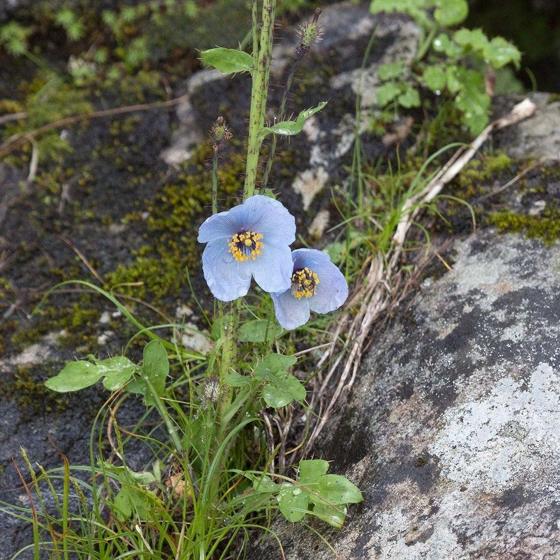
«Himalayan Blue Poppy»
Meconopsis aculeata
The valley's most famous bloom: sky-blue, papery petals around a golden boss of stamens, on bristly stems among rocks and boulders.
Sky blue · July – September
Recorded in the valley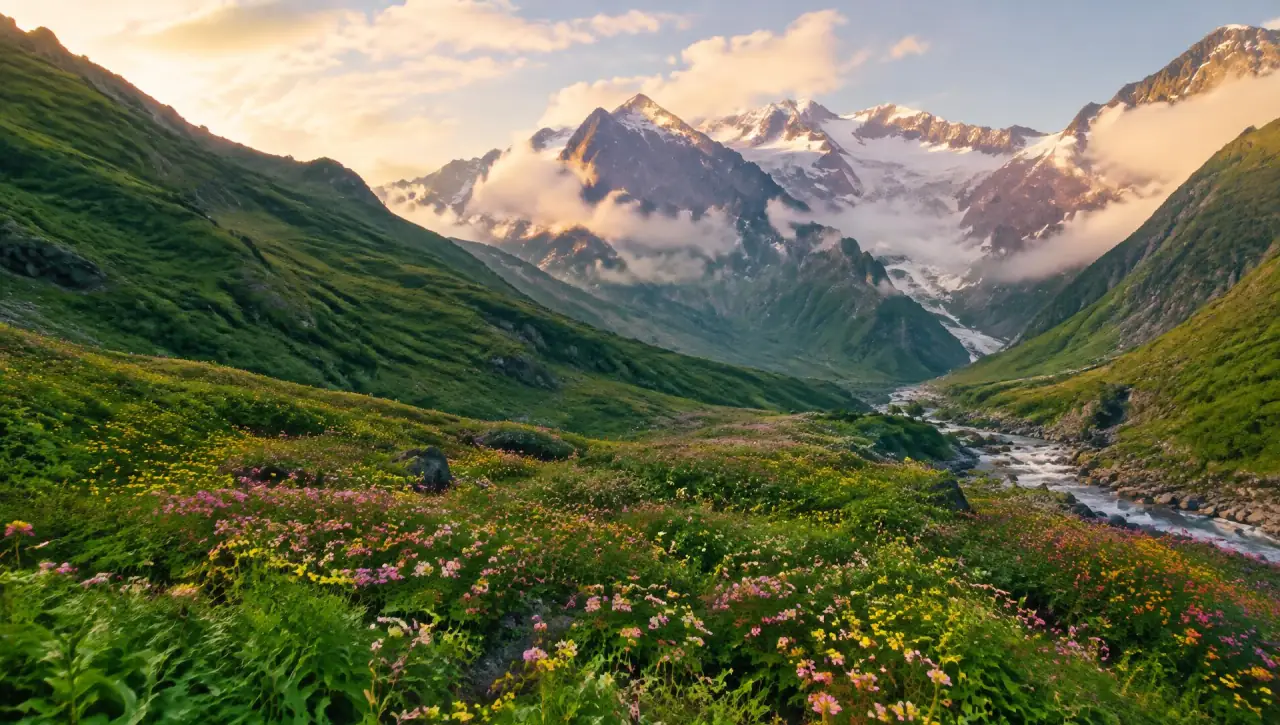
Uttarakhand · Indian Himalaya
Discover Himalayan wildflowers and plan your journey to the Valley of Flowers National Park.
Tucked at 3,658 m in Uttarakhand’s Chamoli district, the Valley of Flowers is a UNESCO World Heritage Site that opens only from June to October. Over 600 species of flowering plants bloom here in waves, each month painting the valley a new colour.
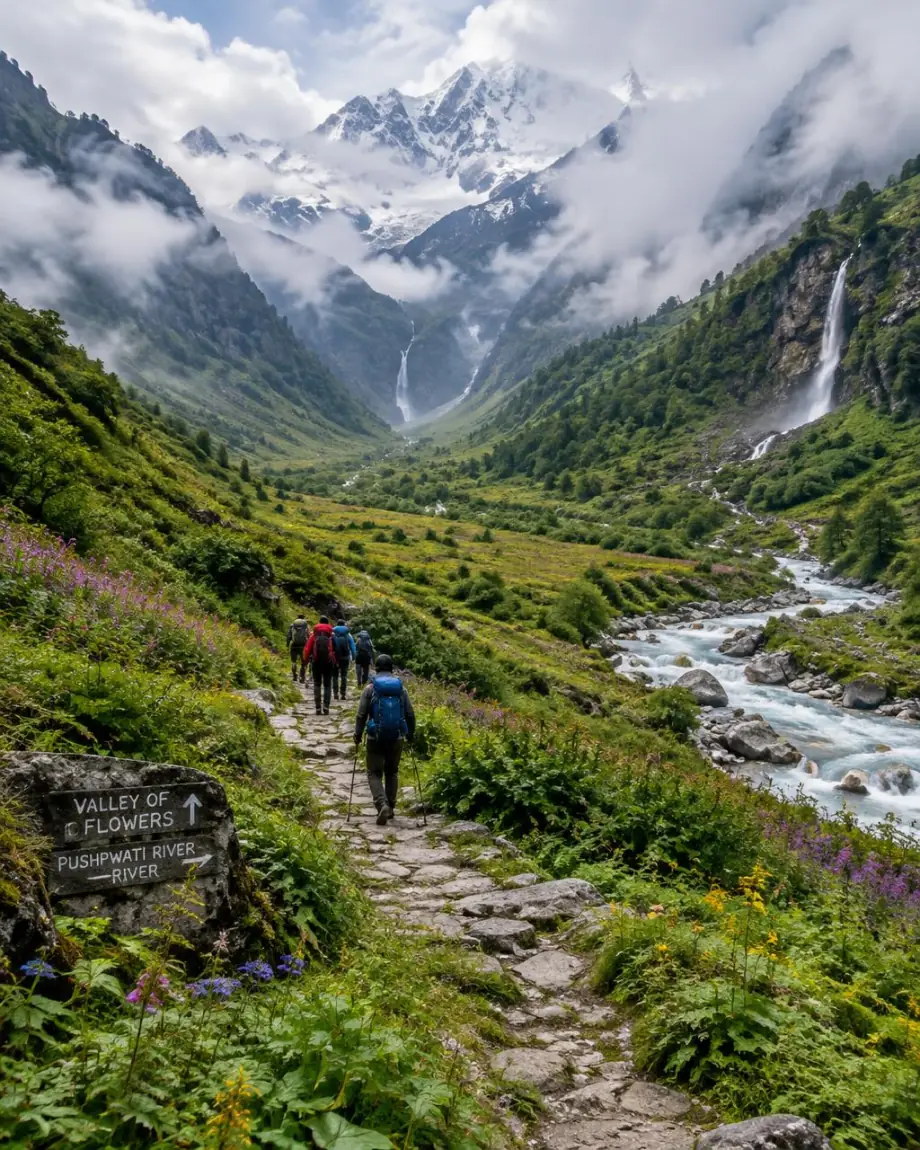
The valley runs about 8 km long and 2 km wide along the Pushpawati river, within a national park of 87.5 sq km. Locals knew it as Bhyundar for generations, until British mountaineer Frank Smythe wrote about it in 1931. It became a National Park in 1982 and is part of the Nanda Devi Biosphere Reserve.
Many of its plants are endemic to the western Himalaya, including rare medicinal herbs such as Atis and Kutki. The same slopes shelter the Himalayan musk deer, Asiatic black bear, snow leopard and Himalayan monal.
This site is a living herbarium: every flower, its season, altitude and story.
every flower is a memory of summer
Meconopsis aculeata
The valley's most famous bloom: sky-blue, papery petals around a golden boss of stamens, on bristly stems among rocks and boulders.
Sky blue · July – September
Recorded in the valley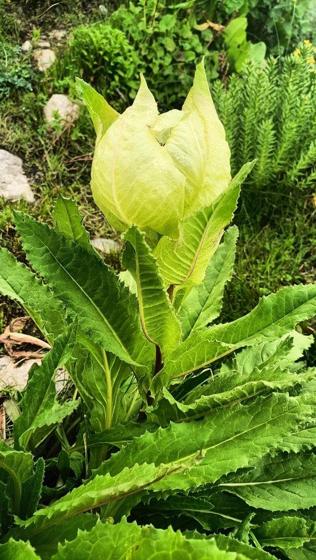
Saussurea obvallata
State flower of Uttarakhand. Papery cream bracts wrap a dark purple flower head like a lantern; sacred and offered at Himalayan shrines.
Cream bracts, purple head · July – September
Recorded in the valley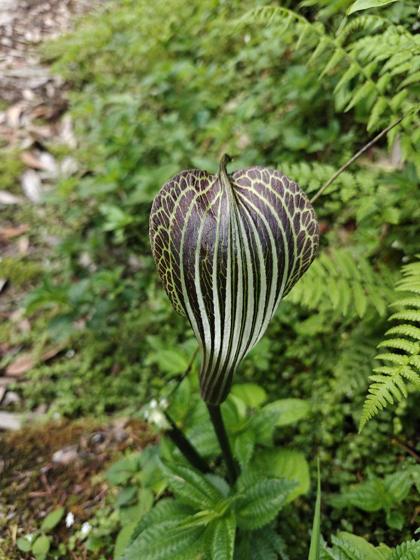
Arisaema propinquum
A hooded, striped spathe that looks like a rising cobra, found in shaded, moist ground along the trail from Govindghat to Ghangaria.
Purple-brown · June – August
Recorded in the valley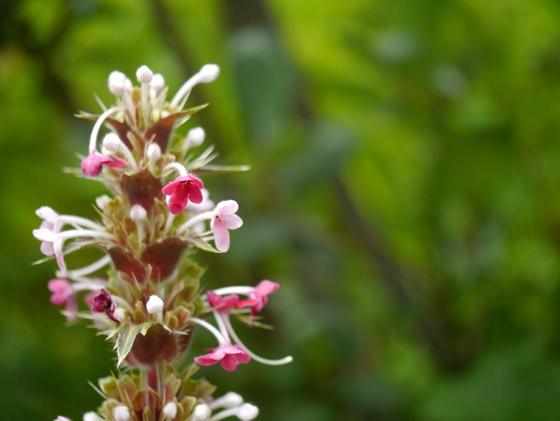
Morina longifolia
Whorls of tubular flowers that change from white to deep pink after pollination.
White turning crimson · July – September
Recorded in the valley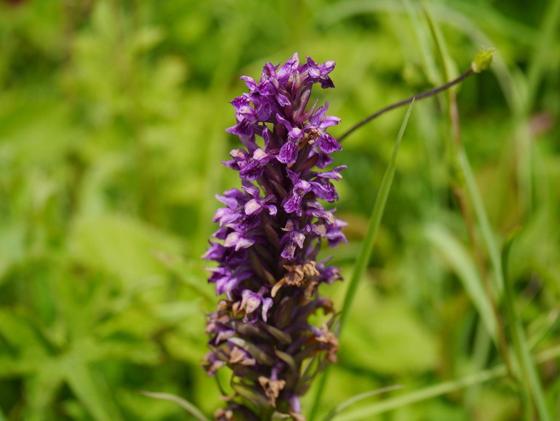
Dactylorhiza hatagirea
A terrestrial orchid with dense purple spikes and hand-shaped tubers, heavily collected for salep.
Purple · June – August
Recorded in the valley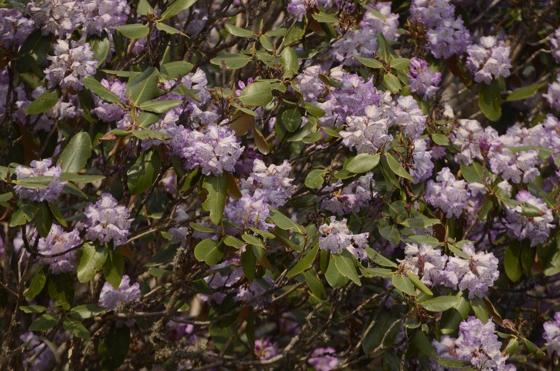
Rhododendron campanulatum
Bell-shaped lilac trusses on dense, shrubby slopes near the treeline.
Lilac · June – July
Recorded in the valleyThe trek starts from the Govindghat–Pulna approach, with Ghangaria as the base for visiting the valley. Explore the route, a suggested itinerary and seasonal advice before you travel.
From Delhi or Dehradun to Govindghat, step by step.
Itinerary, permits, best time, fitness and packing.
The valley is usually open from June to October. Mid-July to mid-August is the peak flowering period, but each month has its own character, and monsoon rain is likely from July to August. The month-by-month guide to the best time to visit explains what you will see in each.
Early flowers, snow patches and quiet trails.
Meadows begin to fill with blooms as the monsoon sets in.
Peak bloom, with the valley at its fullest and most colourful.
Clearer mountain views, autumn tones and fewer visitors.
A suggested six-day plan from Rishikesh, with a full day in the valley and a separate day for Hemkund Sahib.
Rishikesh to Joshimath / Govindghat by road.
Govindghat to Pulna by jeep, then trek about 10 km to Ghangaria.
Ghangaria to the Valley of Flowers and back (about 8–10 km).
Ghangaria to Hemkund Sahib and back (about 12 km).
Trek down to Govindghat and drive to Joshimath.
Drive back to Rishikesh.
The essentials to know before you set out.
Entry permits are issued at the forest check-post near Ghangaria. Sources disagree on whether one is valid for one day or three, so confirm when you pay. Carry a photo ID, and check current fees with the Uttarakhand Forest Department. Camping inside the park is not allowed. See the permit guide for fees, timings and how to apply.
Longer, researched guides to the questions people ask before they go. Each one names its sources and says where they disagree.
Which weeks have the most flowers, how rain and crowds change month to month, and why the road matters more than the trail.
A line-by-line 2026 budget for a DIY trip and for packages, with the costs people forget.
How to apply online or at Ghangaria, the fee, entry timings, documents to carry and the park rules.
The height of every stop in metres and feet, how much oxygen you get, and how to avoid altitude sickness.
Local legends, Frank Smythe's 1931 crossing, botanist Joan Legge, the 1982 national park and UNESCO listing.
Trace the route from Govindghat to the meadows and Hemkund Sahib, with distances and an elevation profile. Photos from the gallery are pinned where they were taken.
The Valley of Flowers National Park is in Chamoli district, Uttarakhand, in the Indian Himalaya. Ghangaria is the base for visiting the valley.
Mid-July to mid-August is generally the peak flowering period. June brings early flowers and snow patches, while September offers autumn colours. Monsoon rain can affect travel, so check local conditions before setting out.
The trek is generally easy to moderate, but the altitude, sustained walking and wet trails require preparation. Build walking fitness beforehand and allow time to acclimatise.
The suggested itinerary allows six days from Rishikesh, including road travel, the trek to Ghangaria, a day in the Valley of Flowers and a separate day for Hemkund Sahib.
Yes. Entry permits are issued at the forest check-post near Ghangaria. Carry a photo ID and check current fees and access conditions with the Uttarakhand Forest Department before travelling.
No. Camping and overnight stays inside the national park are not permitted. Stay in Ghangaria and return from the valley before evening.
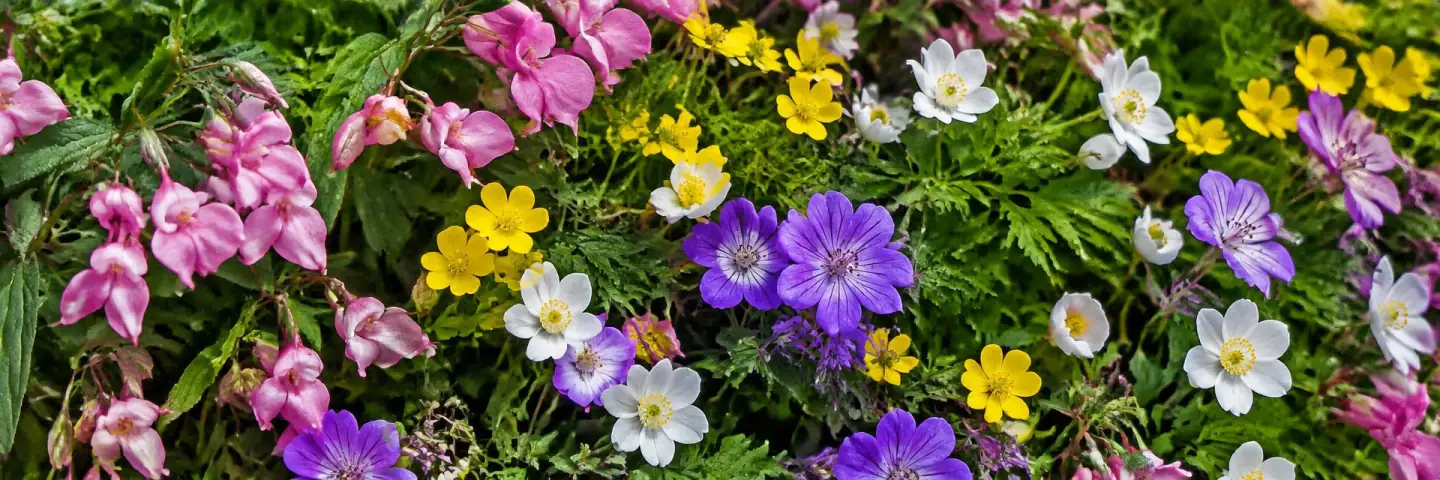
The valley is known for Himalayan wildflowers such as blue poppies, Himalayan balsam, geraniums, anemones and cinquefoils. The species you see depend on the month, altitude and conditions; explore the flower guide for individual bloom seasons.